How to Stay Safe and Secure While Camping in the Wilderness
Introduction
Camping in the wilderness can be an exhilarating and freeing experience. However, it's important to prioritize safety and security when venturing into the great outdoors. From wildlife encounters to unpredictable weather conditions, there are a variety of factors to consider when planning a camping trip. In this guide, we'll explore four key tips to help you stay safe and secure while camping in the wilderness.
1. Choose Your Campsite Wisely
When camping in the wilderness, selecting the right campsite is essential for your safety and comfort. Look for a flat and dry area away from potential hazards such as cliffs, falling trees, or flash flood zones. Avoid setting up camp near bodies of water where wildlife may congregate, and be mindful of any signs of animal activity such as tracks or droppings. Additionally, check local regulations and restrictions to ensure you are camping in a designated area.
People Also Look For:
- Hi-Gear 45 Litre Cooler with Integrated Handle & Wheels, 12V In Car Socket & 240V Mains Socket, Portable, Spacious, Wheeled, 45L E...
- 【2 Pack】Head Torch Rechargeable, Super Bright 230° Wide Beam Headtorch, 22 Hours Runtime, 7 Modes with Motion Sensor, 2000mAh...
- Reanea Camping Utensils Mess Kit for Travel, Picnic, Outdoor - Includes Knife, Spoon, Fork Cutlery Set, Cup, Bowl, Plate - Camping...
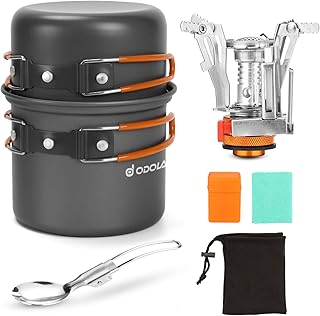
- Camping Cooking Set WODSTA camping equipment for 1-3 People Aluminium Camping Cookware 9 PCS Camping Accessories Cooking Include 1...
- LFSEMINI Stove Windscreen,10/12/16 Plates Aluminum Stove Windshield with Drawstring Bag, for Camping, Butane Stoves
2. Be Prepared for Emergencies
Prioritizing emergency preparedness is crucial when camping in remote areas. Pack a well-stocked first aid kit with essentials such as bandages, antiseptic wipes, pain relievers, and any necessary medications. Familiarize yourself with basic first aid techniques and know how to respond to common camping injuries such as burns, cuts, and insect bites. Additionally, carry a fully charged cell phone or satellite communicator for emergencies, and make sure to inform someone of your itinerary before heading out.
3. Practice Proper Food Storage
Wild animals can be attracted to campsites by the smell of food, so it's important to practice proper food storage to prevent unwanted encounters. Store food in airtight containers or bear-proof canisters, and avoid bringing strong-smelling items such as perfumes, lotions, or soaps into your tent. Never leave food unattended or in open containers, and dispose of waste properly by using designated bear-proof garbage bins or hanging it in a tree away from your campsite. By following these guidelines, you can reduce the risk of attracting wildlife to your campsite.
4. Stay Weather Aware
Weather conditions in the wilderness can change rapidly, so it's important to stay informed and prepared for any scenario. Check the weather forecast before your trip and pack appropriate clothing and gear for a range of conditions. Be aware of signs of impending severe weather such as dark clouds, sudden changes in temperature, or strong winds, and seek shelter immediately if necessary. If you are camping in an area prone to wildfires, be mindful of fire restrictions and follow all guidelines to prevent accidental blazes.